
Ho Ho Holidays!
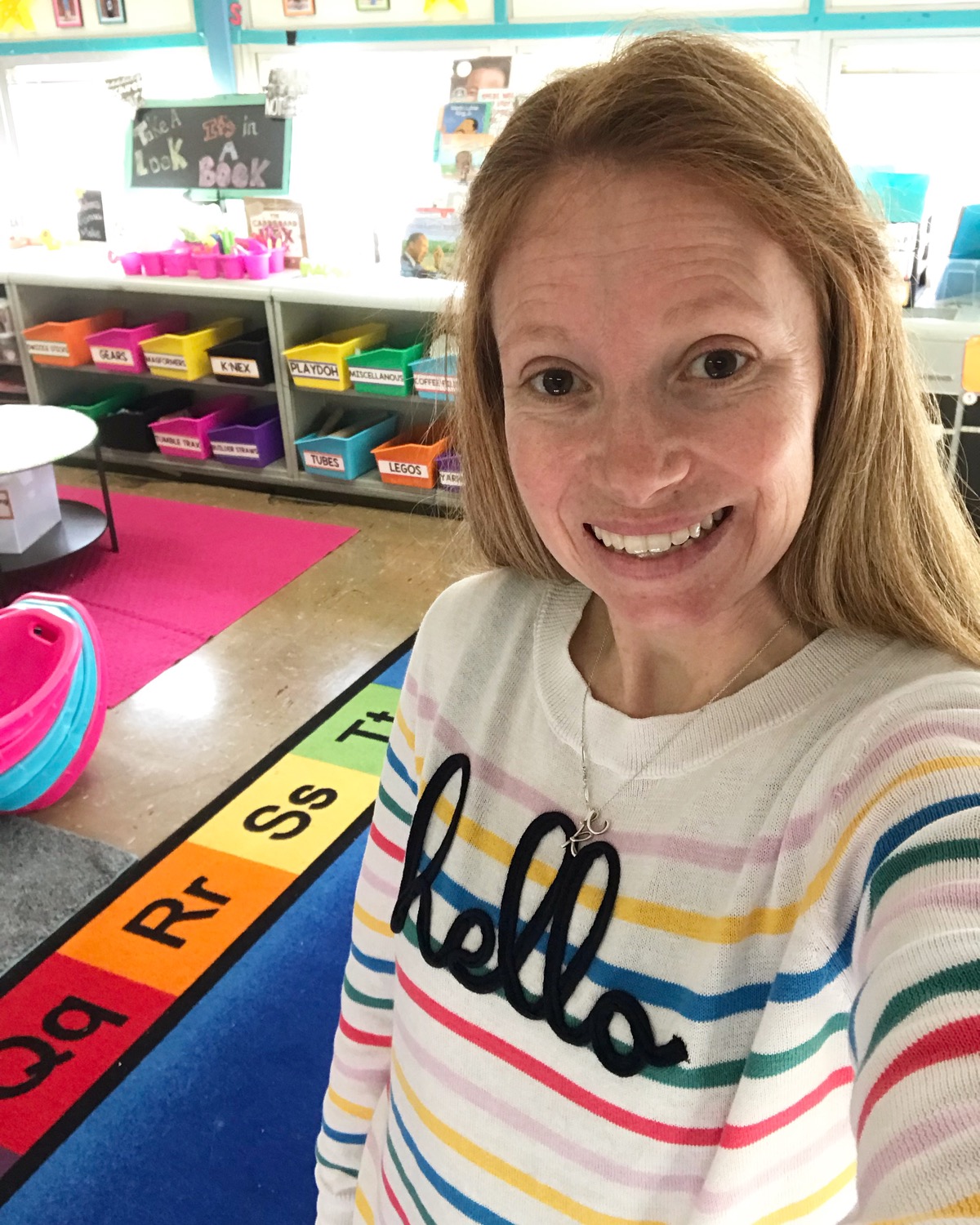
The holidays are upon us! Between shopping. crafting, and teaching its all one big caffeine fueled winter wonderland. As many of you know the holiday's can already be stressful enough not only for some kids but also for adults.

When I created this resource I had both big and little people in mind. For one I want it to be easy for you as the teacher to print and GO! I also needed it to be rigorous as well as FUN for all students. Idle hands create an idle mind, am I right?!? Keeping those little people hands busy this time of year is KEY! Any down time and oh buddy the tiny humans start to unravel, at least I know my kiddos do.
Ok now let's get into it! How in the world can this keep those tiny humans of yours learning, growing, and having FUN?!? Well I'll show you how!

Your tiny humans are going to be engaged in the hands on activities this resource provides. Penguin playdough mats can be used for not only sight word building but also in small group as well as *gasp* even math activities! Secret Present and Moosetery Sentences will leave them wanting more as they use their detective skills to decode the words and sentences. Art is even integrated as well with Jingle Bells and Shiny and Bright. Let your students creativity flow!

So my question to you is not are you keeping those tiny hands busy and ENGAGED?!?! Let me know!


The subject of exploring learning through shared interests feels more interesting when there is room for a reader to stop and ask their own questions. A shared interest can give a group a reason to exchange explanations and examples. Seen this way, collaborative learning interests becomes a topic to explore rather than something to sum up too quickly. The part I would like to explore further is what happens when the idea meets a real situation with its own limitations. How can a learning group welcome beginners alongside more experienced participants?
I can see why supporting learning and care in Wachock would invite discussion, since different people will bring different experiences to the same question. A predictable environment can make it easier for a learner to focus on a new task. It gives me a more concrete starting point for thinking about Wachock student support. The part I would like to explore further is what happens when the idea meets a real situation with its own limitations. What information helps families understand the support available in an educational setting?
I find planning an academic writing project easier to think about when there is a concrete question to start from. A clear outline can reveal gaps before a writer invests time in full paragraphs. That connection helps me see why academic writing planning can be worth a closer look. I would probably come back to this question after trying to work through one concrete example rather than deciding immediately. How do you decide whether a section supports the main question or merely adds background?
My first thought about developing confidence in language practice is that the everyday experience deserves as much attention as the larger explanation. A low-pressure conversation can help a learner use words they recognise but rarely say aloud. This is why I would approach language practice confidence with a specific question rather than a fixed expectation. I do not have a settled view yet, but this seems like a good place to slow down and look more closely. Which activities encourage speaking without making every mistake feel important?
When it comes to supporting teachers through shared learning resources, I would rather understand one useful detail properly than rush through a long list of ideas. A resource becomes more useful when it includes enough context for another teacher to adapt it. That is the kind of detail I would keep in mind while exploring teacher learning resources. I am more curious about the process than a polished result, because the steps in between are usually where questions appear. What information would you include when sharing an activity that worked in your classroom?