
3 Cheap and Easy Classroom Management Ideas
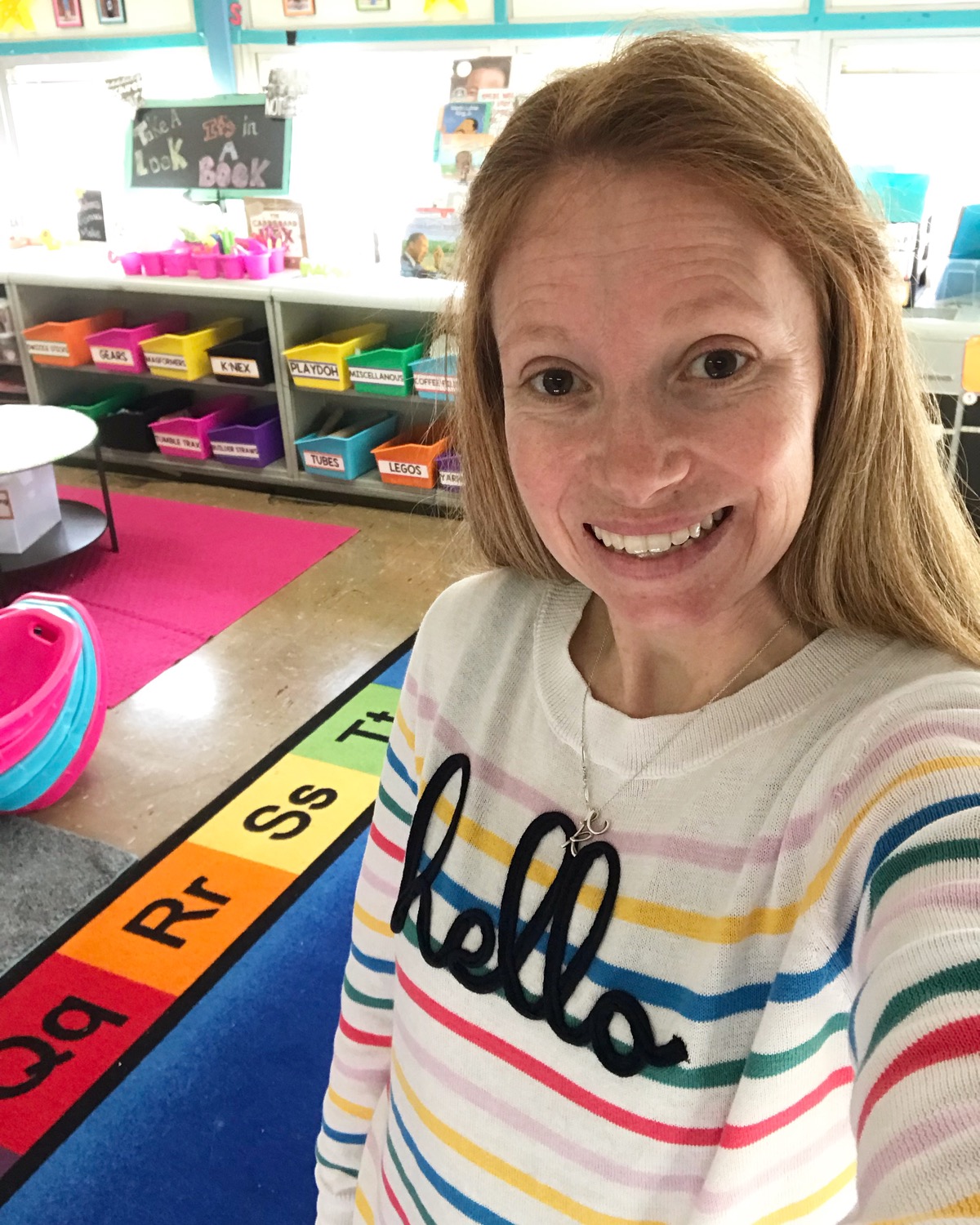
We all know that without great or even good classroom management your room will look like a scene out of Kindergarten Cop or for the younger generation-Daddy Day Care! Having great classroom management creates a classroom that students want to come to daily and create a well oiled machine for you as the teacher. I'm going to let you in on 5 different inexpensive and EASY classroom management ideas!
#1 Build Those Relationships! Cost-$0
Creating meaningful relationships with each and everyone of the students in your classroom NEEDS to be priority #1. Have you ever heard the phrase "Maslow before Bloom"? That basket right there is where you put most of your eggs. Your students are going to need their basic needs met BEFORE academic content can be the focus. How do you build relationships with kids you've just met? Talk, talk, and more talking. Ask intentional questions about their life, what they like, their family members. Also don't forget to share about you as their teacher but also as a person. You are also important to your classroom community so the better connected your students feel to you, the better your classroom will run.
#2 Make It a Game! Cost-$0-$5
Kids love games. You create a game for your students to play to obtain the desired behavior that you are looking for in the classroom while still keeping things fun! Games can be as simple and inexpensive as the teacher vs. student game. On your board write what the desired behavior is that you want. During a lesson write a T and an S on your board. Every time your students are doing the desired behavior they get a point. If not then you the teacher get a point. The group with the most points at the end of the day or desired period of time wins! Make sure to make the game about obtaining the desired behavior, not so much about the prize at the end. I always make the prizes things that cost me little to no money at all. Extra recess, a sticker or stamp, dance party, or fun brain break on YouTube!

#3 Board Games! Cost $0-$20
Board games are a fun and creative classroom management tool. Let me tell you about a few that I like to use in our classroom and are very inexpensive. One way to get board games into your classroom is ask your families. Sometimes families have these games sitting at home and they would be glad to donate them to your classroom! Another super inexpensive way are thrift stores. You can get some really good board games for less than $3 sometimes!

Kerplunk: We use Kerplunk in the winter where the months seem to drag on without any real breaks. It's a great attention getter and motivator for students to work hard and show the desired behaviors that you want. How to play: place all sticks into the kerplunk container. Add in marbles. As a class decide what 4 rewards the students would want. I get clip art of each reward and place it in the bottom of one section of the tray. You could always use a dry erase marker and write the reward in the bottom of the tray as well. When student(s) are displaying behavior aligned to your goal I let that child go pull a stick out and then turn the container. Whatever section the last marble falls into is the reward your students get!
Tic Tac Toe: A quick and inexpensive game to play for those unexpected behaviors that may need a gentle reminder are not allowed in the class. I like to play this like the teacher vs student game where you let the students decide will they be the X or the O. I like to set a timer for this game. In a 10 minute time period how many times can I see students working quietly and on task. If the class can pass that challenge then at the end of the 10 minutes I call one person up to play me in Tic Tac Toe. If they win the class wins and gets a prize. You can also play this game if you do houses in your class. The house that wins gets points for that house.
Chutes and Ladders: This game is great for longer term behavior that you are looking to change. Say its blurting out during instruction that your students are having difficulty with. Set up a chutes and ladder board in your room on a wall or table. Every time you see the desired behavior have a student spin and move the game piece that many spaces. Obviously the more you see the behavior the quicker they will get to the end and win their prize!
If you do need something quickly to start using in your classroom I also have a few classroom management resources that can help! My favorite is Sip & Chat. I use this from day 1 of meeting my students and it helps me build those important and lifelong relationships!
As always, if you have a question or comment I would love to connect! I am simply an email or DM away. Like the old adage says: Happy classroom, happy teacher ;)

Thinking about reading short-term loan terms carefully, I find the smaller practical questions more interesting than a quick conclusion. The amount borrowed does not describe the full cost or the repayment conditions. I would keep that thought nearby when looking for ideas about short term loan literacy. I am still thinking through the details, and a small example would help me picture how this works in practice. Which terms need the clearest explanation for a first-time reader of a loan offer?
The subject of supporting independent study in secondary school feels more interesting when there is room for a reader to stop and ask their own questions. A clear plan for reviewing work can make revision more deliberate. That connection helps me see why secondary independent study can be worth a closer look. I would be interested in a simple example, because it is often the ordinary details that make an idea memorable. How can a learner identify what to practise instead of simply rereading everything?
The subject of connecting school learning with Sonsk feels more interesting when there is room for a reader to stop and ask their own questions. A local project can turn familiar surroundings into a source of new questions. This is why I would approach Sonsk school community with a specific question rather than a fixed expectation. A short discussion of an everyday example would make this easier for me to connect with, especially as someone still learning about the subject. How could students share what they discover with people outside their class?
What draws my attention to understanding casino rules and probability is the possibility of making an unfamiliar subject feel closer to everyday life. A game's presentation can distract from the rules that determine how outcomes are produced. I would keep that thought nearby when looking for ideas about casino probability literacy. I would be interested in a simple example, because it is often the ordinary details that make an idea memorable. What should a beginner understand about chance before interpreting a result?
A conversation about finding a comfortable rhythm for school learning seems most useful to me when it leaves space for uncertainty and further questions. Small consistent habits can help pupils return to a task after a distraction. It gives me a more concrete starting point for thinking about school learning routines. I am still thinking through the details, and a small example would help me picture how this works in practice. Which routines encourage focus while still allowing an occasional change of pace?